
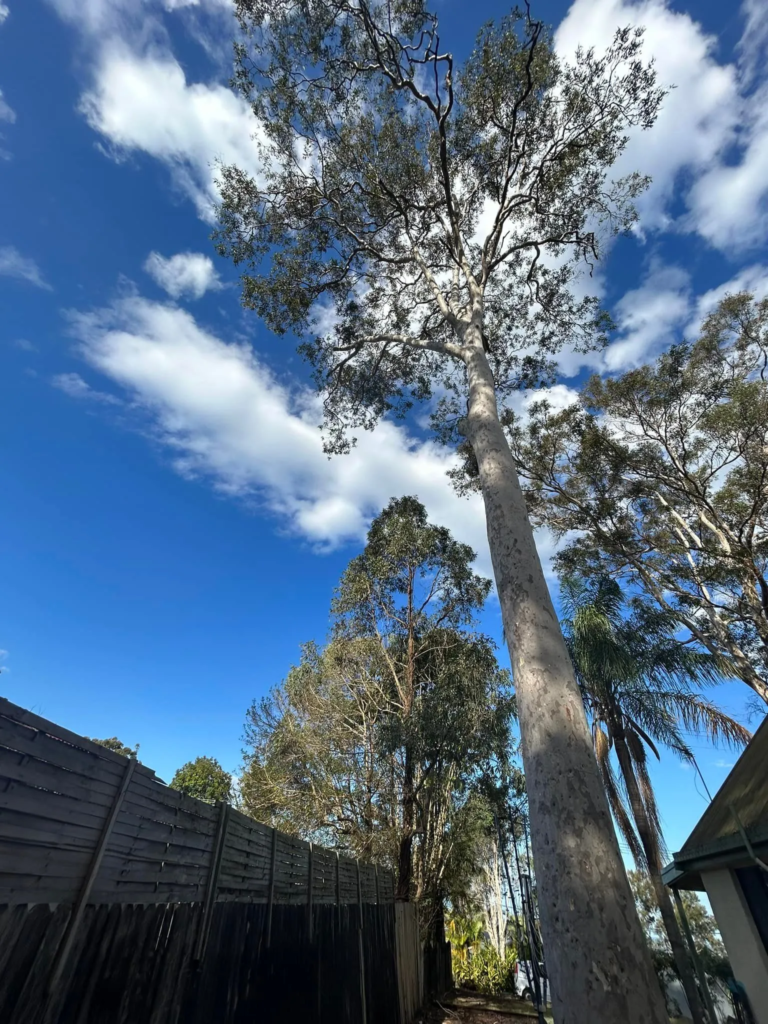
Jimboomba is a different world to the Gold Coast, and if you live here you already know that. Rural residential blocks measured in hectares rather than square metres, dams, sheds, horse agistment, bore water, and serious tree cover.
It is also a different council, which catches a lot of people out. Jimboomba is Logan City, not Gold Coast City, and the vegetation rules are genuinely different.
We work the Logan corridor out of our Bonogin base, and Jimboomba acreage is the kind of work we are built for. Everything we do is on the home page.
This is the most important thing on this page, so it comes first.
Logan works from the Logan Planning Scheme and its vegetation management areas mapping, and it splits protected vegetation into two categories.
Primary vegetation is all native vegetation within mapped areas.
Secondary vegetation is native trees over four metres tall, or with a trunk circumference of 31.5 centimetres or more measured at 1.3 metres from the ground, within mapped areas.
Both councils measure trunk circumference at the same height, 1.3 metres above ground, but the threshold is different: 31.5 centimetres in Logan against 40 centimetres on the Gold Coast. A tree that would be exempt on size at Mudgeeraba can be protected at Jimboomba.
Logan also runs biodiversity overlays including koala habitat and corridor mapping, plus waterway corridor provisions, and around Jimboomba, Cedar Grove and Logan Village those overlays cover a lot of ground.
You can check your own property on the Logan PD Hub, the council’s online mapping tool, which shows the overlays applying to your block. Where approval is required it is an operational works application for vegetation clearing. On larger rural holdings, state vegetation legislation can apply on top of the council rules where remnant vegetation is involved.
We check all of it before we quote, and where an application is needed we can prepare the assessment and lodge it for you.
Jimboomba country is drier and more open than the Gold Coast hinterland. Forest red gum, grey ironbark, narrow-leaved ironbark, spotted gum and blue gum through the ridges and paddocks, with melaleuca and casuarina down on the flats and along the Logan River and its tributaries.
These are tough, dense hardwoods. They are heavy to handle and they blunt gear quickly, which is one reason cheaper operators quote them badly and then struggle on the day.
Large dead standing trees are common here too, particularly after dry years. Dead hardwood is the most dangerous kind of removal there is, because the timber cannot be trusted to hold a climber or a rigging load, and the fibre becomes unpredictable. Those jobs get an elevated work platform rather than a climber on spikes, and we will not compromise on that.
The jobs here are bigger, and they are usually not one tree.
Clearing around a house site or a new shed. Opening up paddocks that have thickened up over the years. Driveway and easement clearance on long access tracks. Fence lines that have disappeared under regrowth. Dead standing timber that has become a genuine hazard near stock or buildings.
Multi-day bookings are normal on Jimboomba jobs, and those need a 10 per cent deposit to hold the dates. The 18 cubic metre mulch truck, the 264 horsepower chipper and the Avant loader are what make a job like that finish in days rather than weeks.
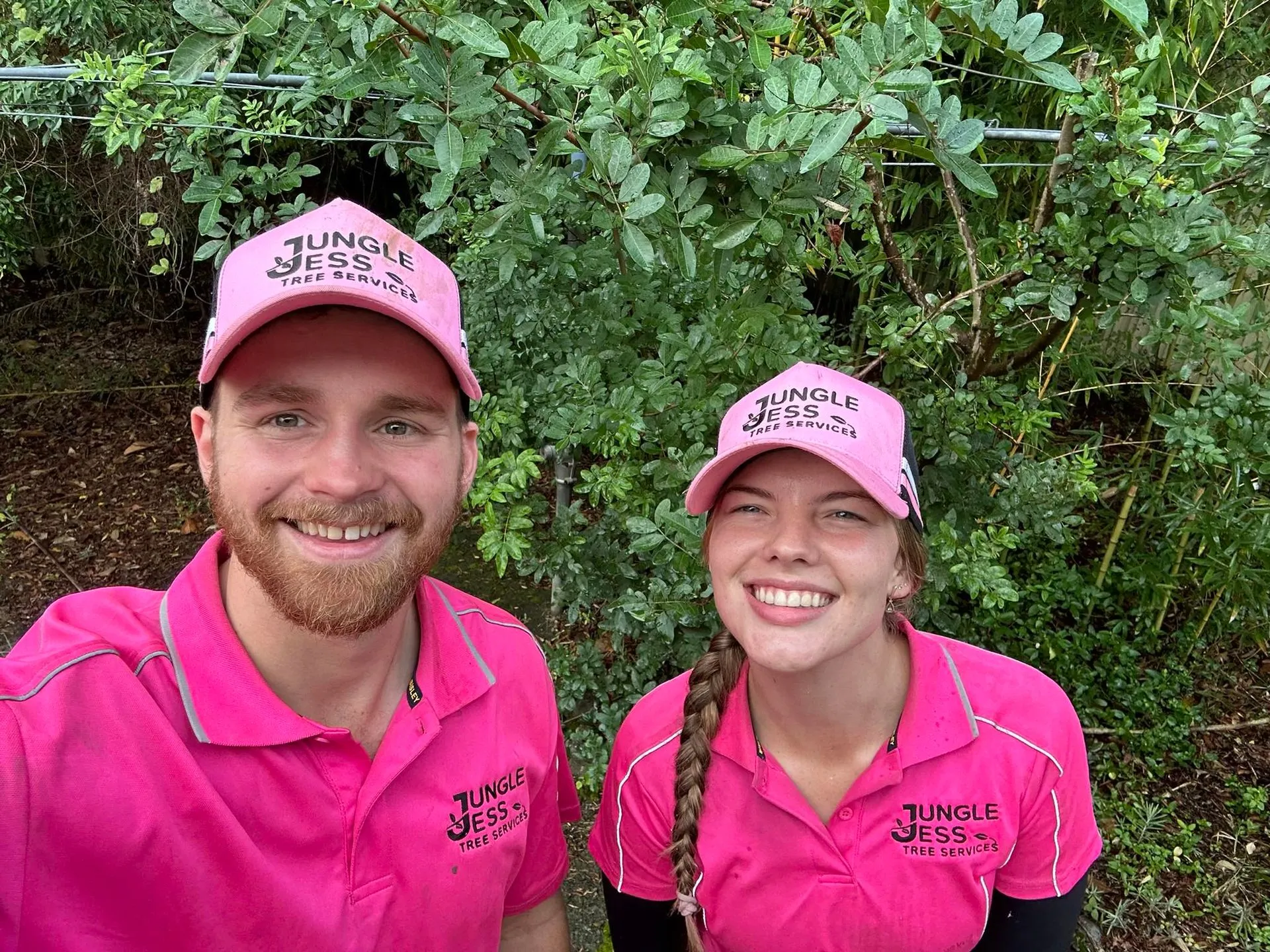
We are based in Bonogin, and Jimboomba is around 50 minutes away.
That is fine for the work we usually do here, which is acreage jobs measured in days. It is less sensible for one small tree, and we will tell you that rather than charging you travel to trim a single limb. If you have a small job, ask us and we will either group it with other work in the corridor or tell you honestly that a local operator makes more sense.
Logan City Council. The rules are different to the Gold Coast, including how protected trees are measured, so advice written for the Gold Coast does not apply to your block.
The Logan PD Hub is the council’s online mapping tool and it shows the overlays on your property in a few minutes. We check it as part of every quote and explain what it means.
Yes, and that is most of what we do out here. Multi-day bookings need a 10 per cent deposit to secure the dates, and you get confirmations and reminders in the lead-up.
Travel is built into our rates rather than added as a separate line. For very small jobs we will tell you honestly if a closer operator makes more sense for you.